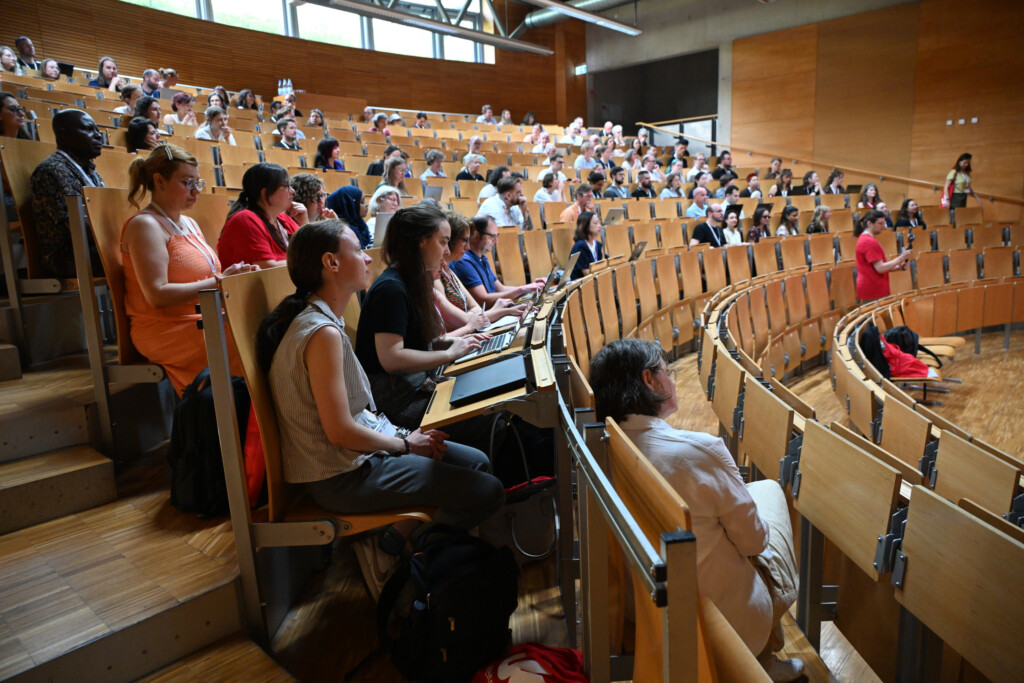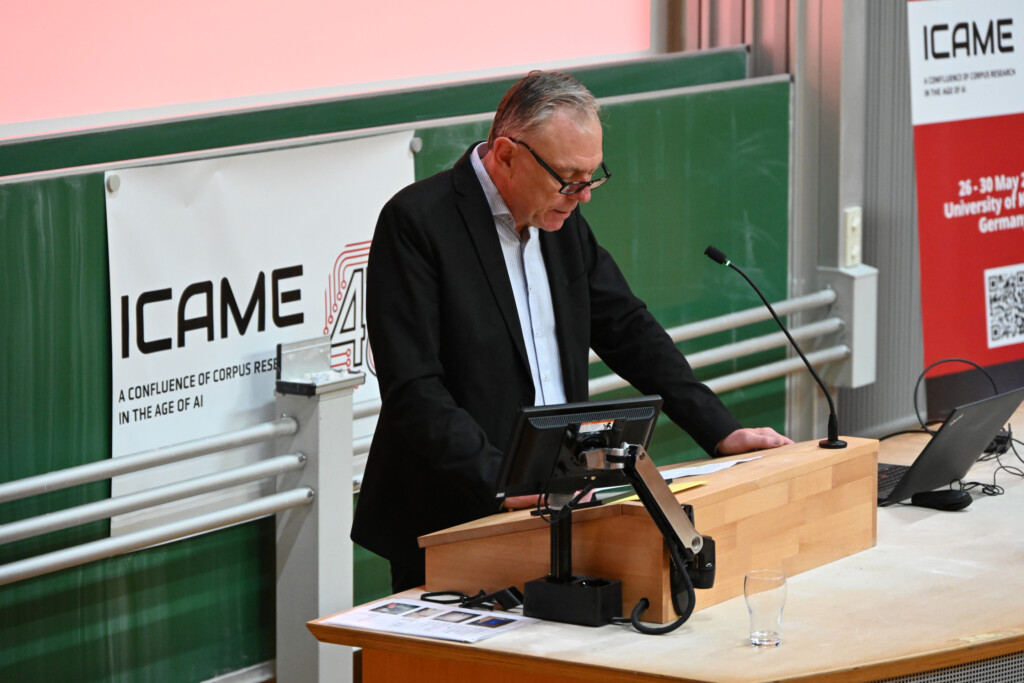

The final day at ICAME47 brought things full circle. Saturday morning kicked off with four parallel sessions spanning work in progress and full papers โ€“ from recent changes of taboo words like โ€˜bloody hellโ€™ to the pressing question of whether language creativity will diminish in the age of AI-generated news content.
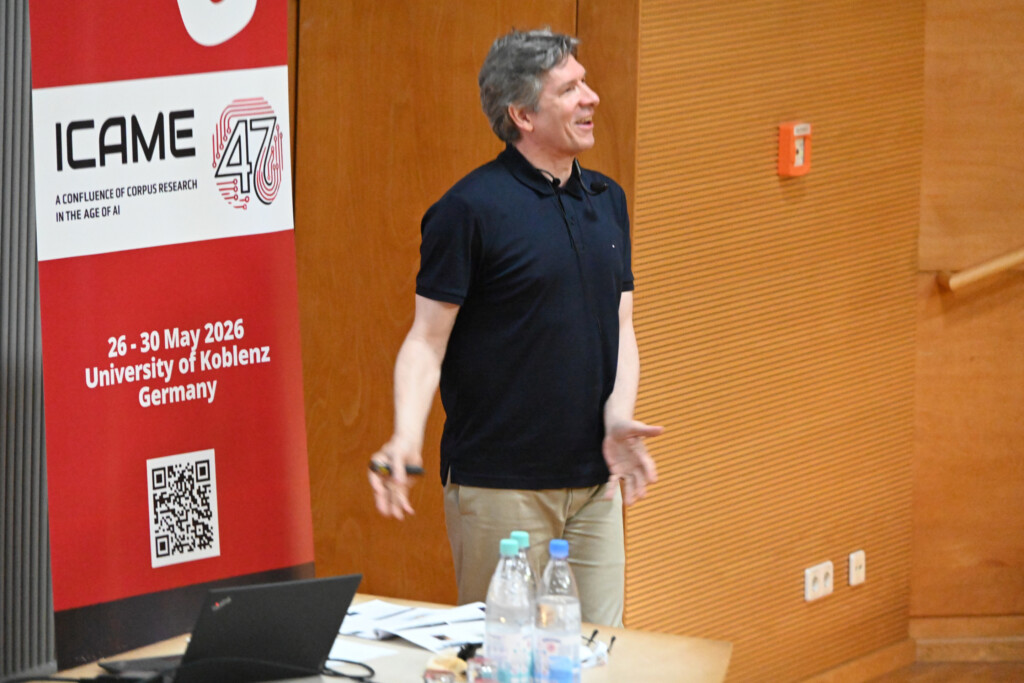
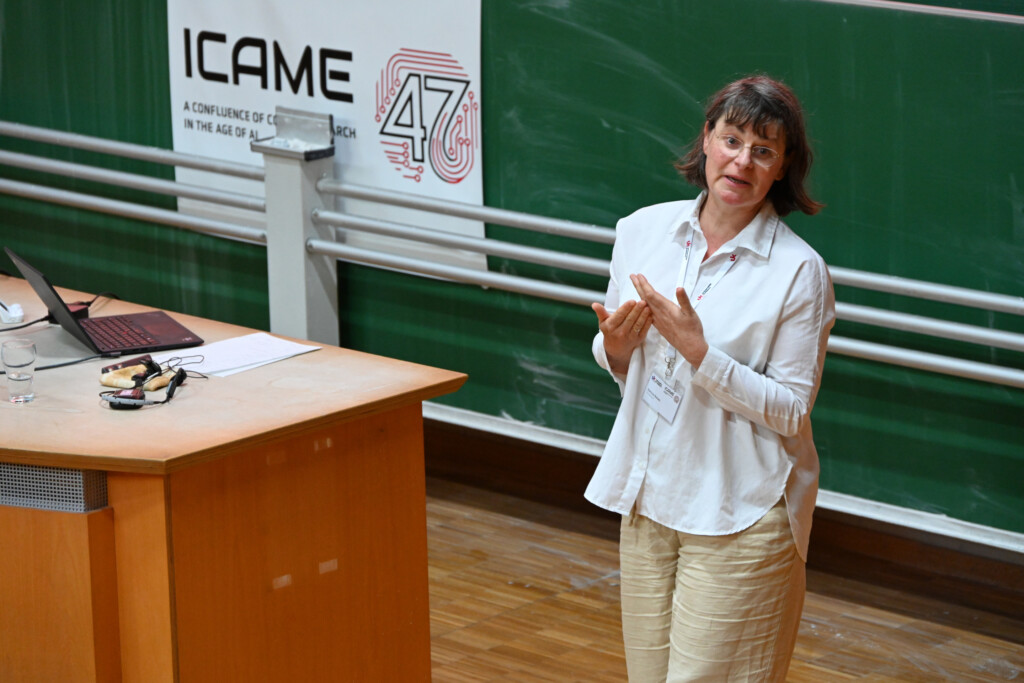
Questions like these set the perfect stage for our final plenary. Natalia Levshina took us on a collective reflection: what actually is AI? Should we use it for corpus annotation, and if so, at what cost? Her take? It’s LLMs we’re working with, not AI โ€“ and while they can be a powerful ally in corpus annotation, they always come at a cost. She closed with a set of best practices to help navigate that tradeoff. The audience was quick to extend the conversation, showing that this is a debate far from over.

We finally wrapped up with the Annual General Meeting and closing ceremony, welcoming three new members to the ICAME board and re-electing Patricia Ronan as Chair. ๐ŸŽ‰ Congrats!

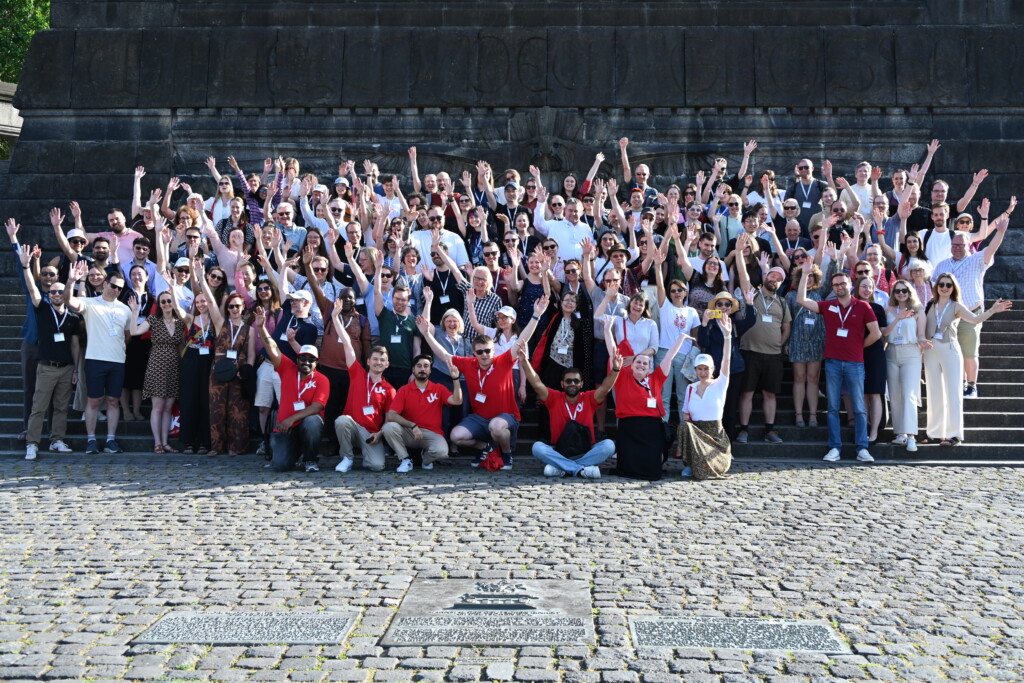
And then it was just us โ€“ the team. Grateful for everything learned, everyone met, and every moment that made ICAME47 what it was. ๐Ÿ’™ Thanks to everyone who made this happen and joined the flow!
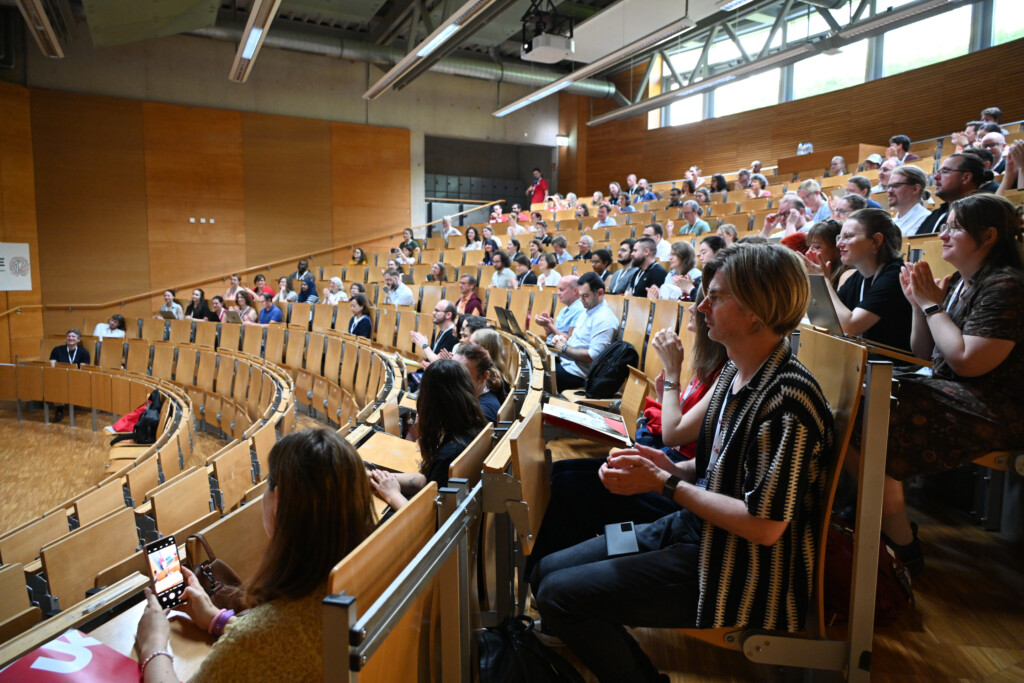
After another delicious lunch by the Studierendenwerk ๐Ÿฝ๏ธ, the afternoon kept things flowing with four parallel sessions โ€” 16 talks in total, from fully finished projects to work in progress.

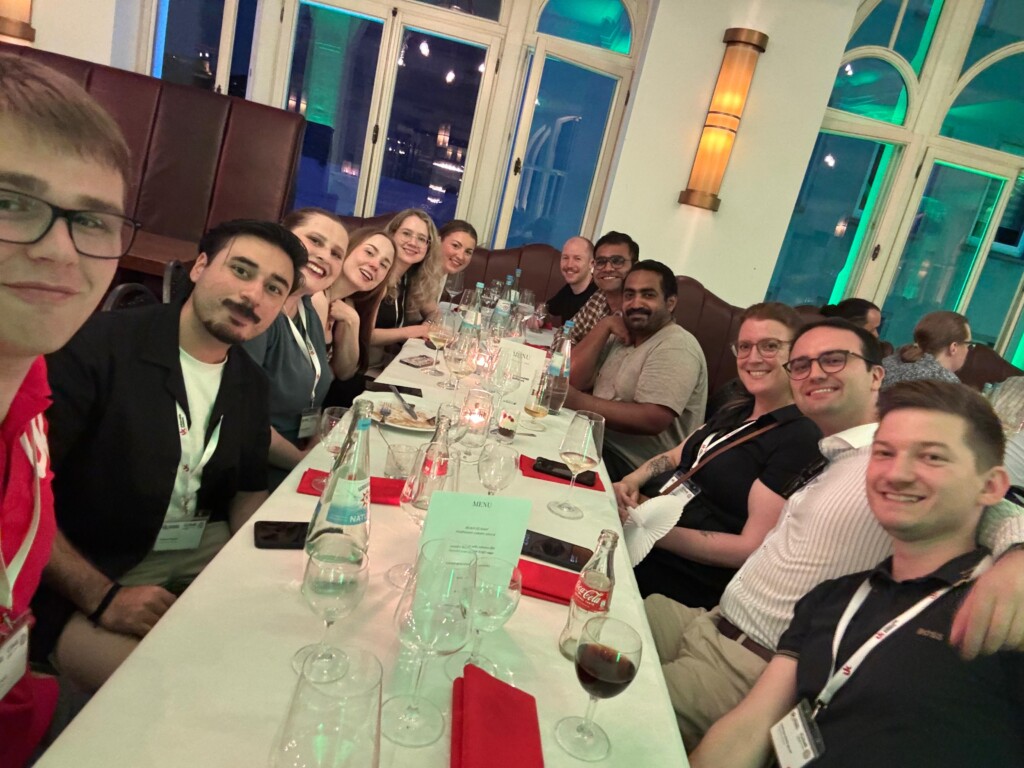
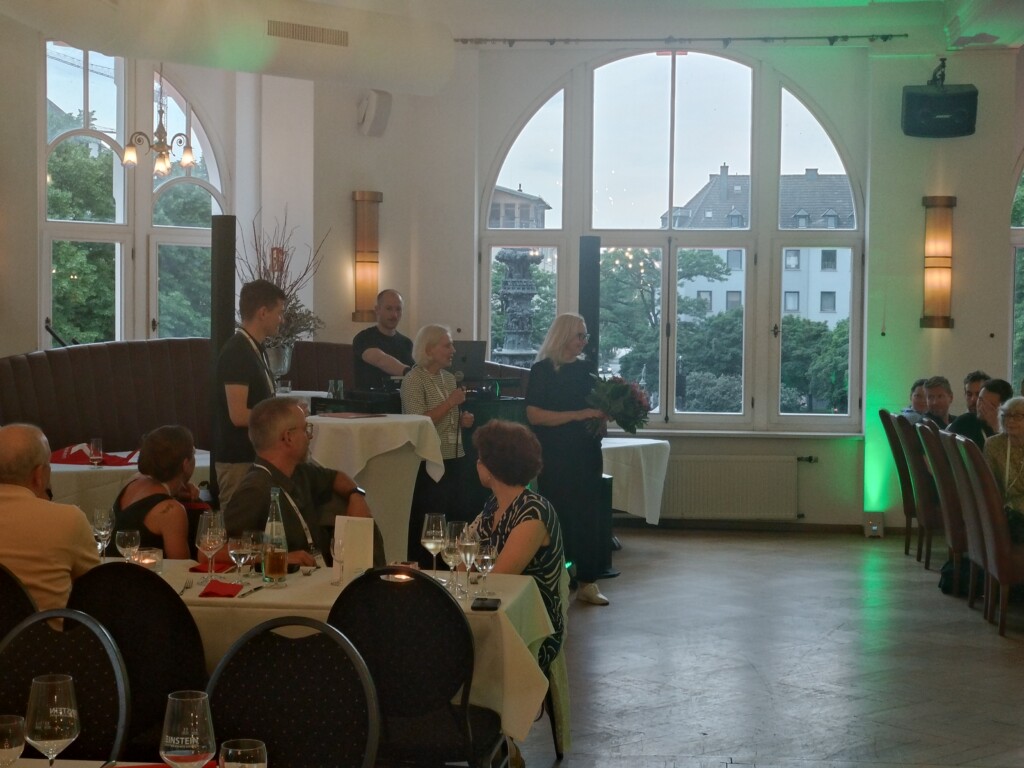
The academic programme wrapped at 5, giving everyone time to recharge in the city centre โ€” before we met again at 8 at the Adaccio. Good food, better company, and some seriously good moves on the dancefloor .

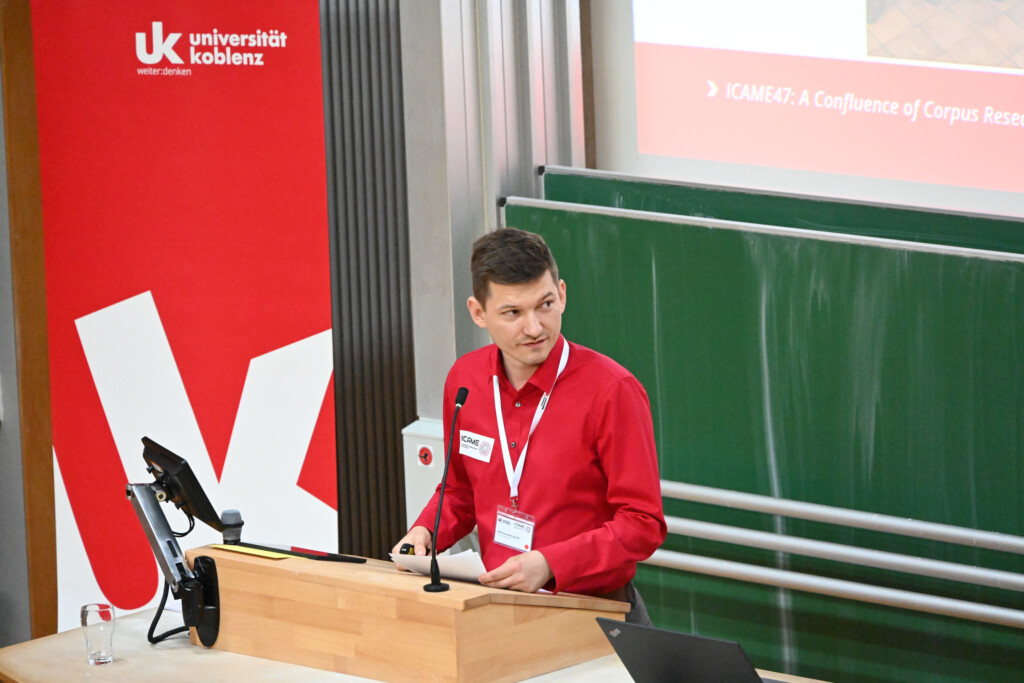
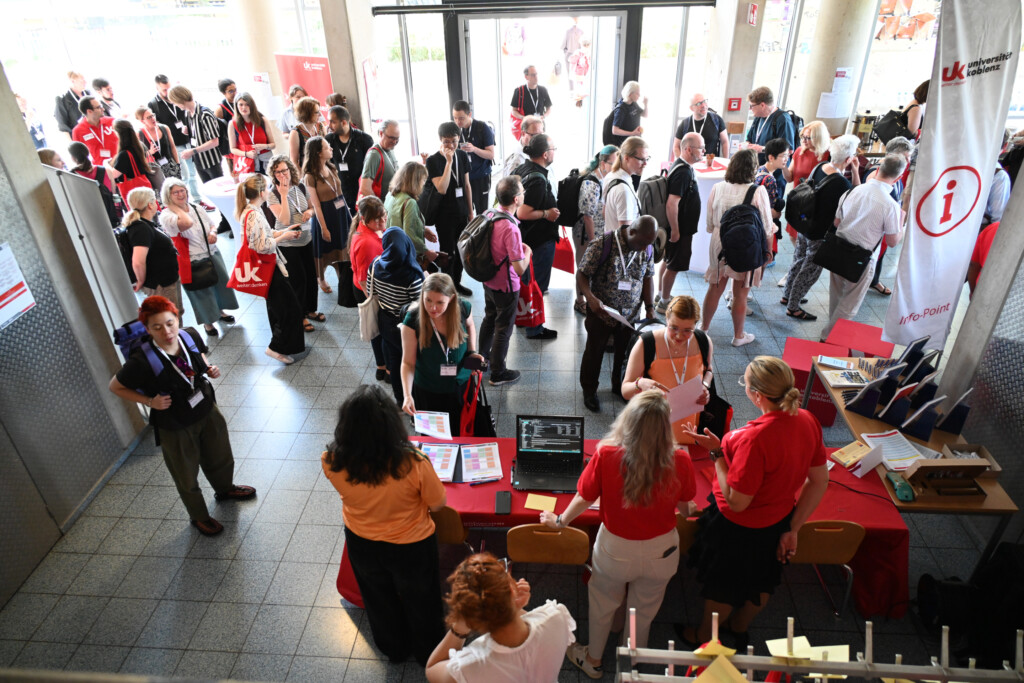
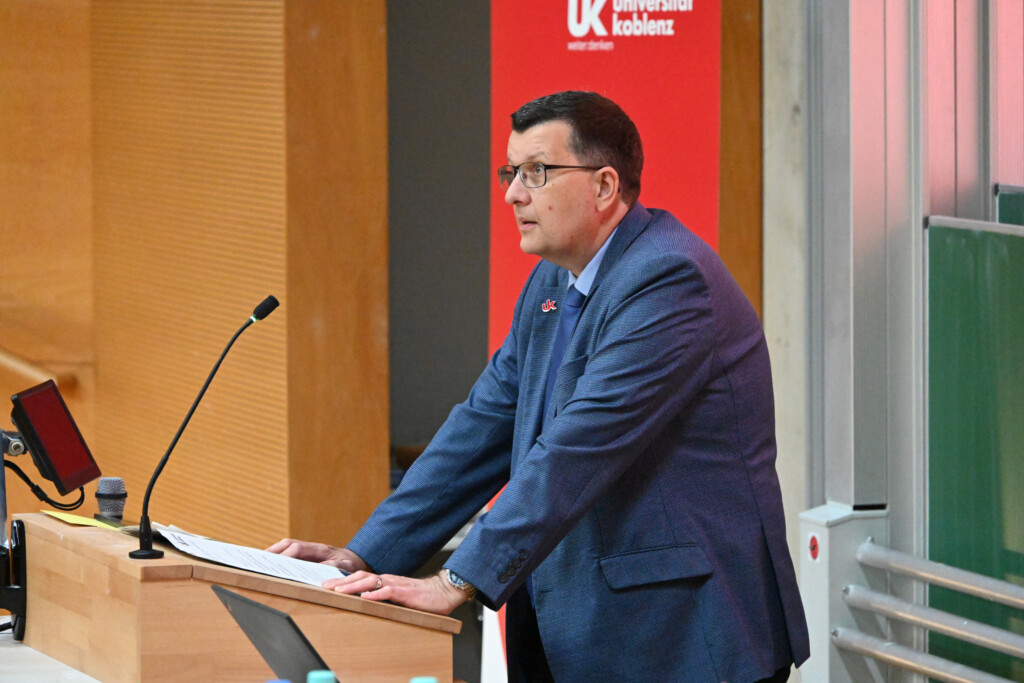
After a full day of pre-conference workshops yesterday, our welcoming session opened with words from University President Prof. Dr. Wehner and Faculty 2 Dean Prof. Dr. Neuhaus, before JProf. Andreas Weilinghoff got things officially flowing ๐ŸŒŠ

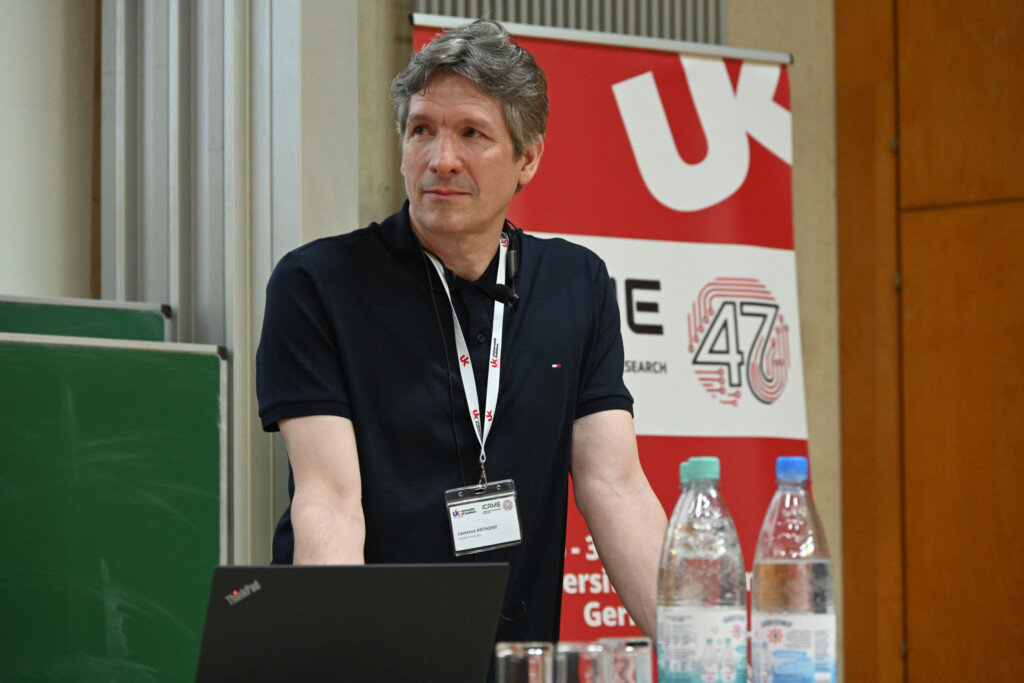
We then dove straight into the deep end with our first plenary talk by Laurence Anthony, exploring this year’s conference motto โ€˜Confluentesโ€™ โ€” where AI and corpus linguistics meet. While corpus linguistics and generative AI share deep roots, they diverge significantly in how they handle data, interaction, and transparency. Anthony made a compelling case for how integrating AI into established corpus tools like AntConc (which he developed) can bridge that gap, opening new possibilities for multimodal analysis while keeping transparency and validity in focus.

Day 1 is off to a great start โ€“ more to come!