
At the 47th ICAME conference in Koblenz (26–30 May 2026), themed A Confluence of Corpus Research in the Age of AI, two early-career researchers took home the event’s top prizes — one analysing rap, the other media speech.

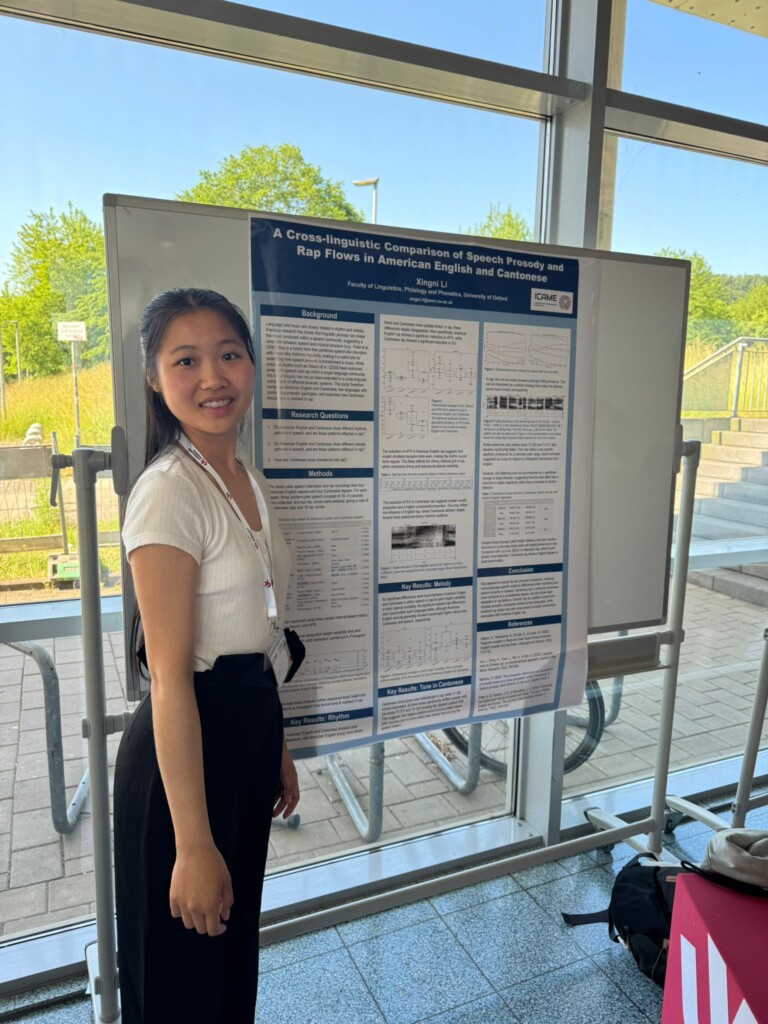
Best Poster — Stig Johansson Bursary: Xingni Li (University of Oxford) compared speech prosody and rap flows in American English and Cantonese, showing that the languages’ clear rhythmic differences in ordinary speech largely vanish in rap — and that Cantonese rap appears to move toward the conventions of American English rap.
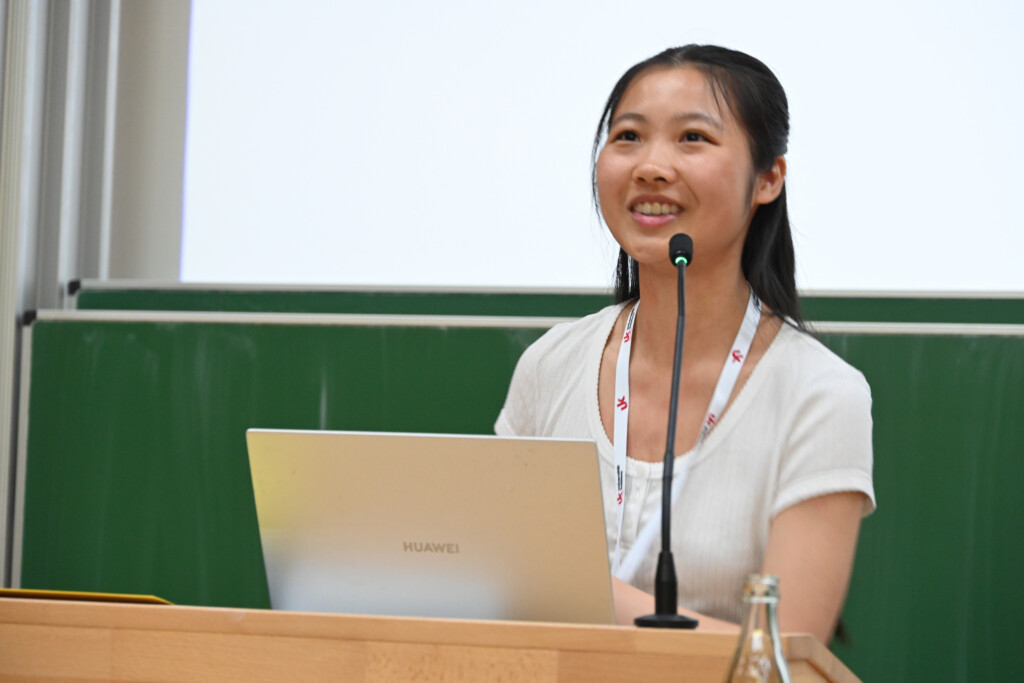
Best Paper — John Sinclair Bursary: Cheryl Yeo (Ludwig Maximilian University of Munich) used a corpus of media speech to study rhoticity — the variable “r” — in Singapore English, finding it present but uneven across ethnic groups, and shifting toward non-rhotic when speakers adopt a more local orientation.
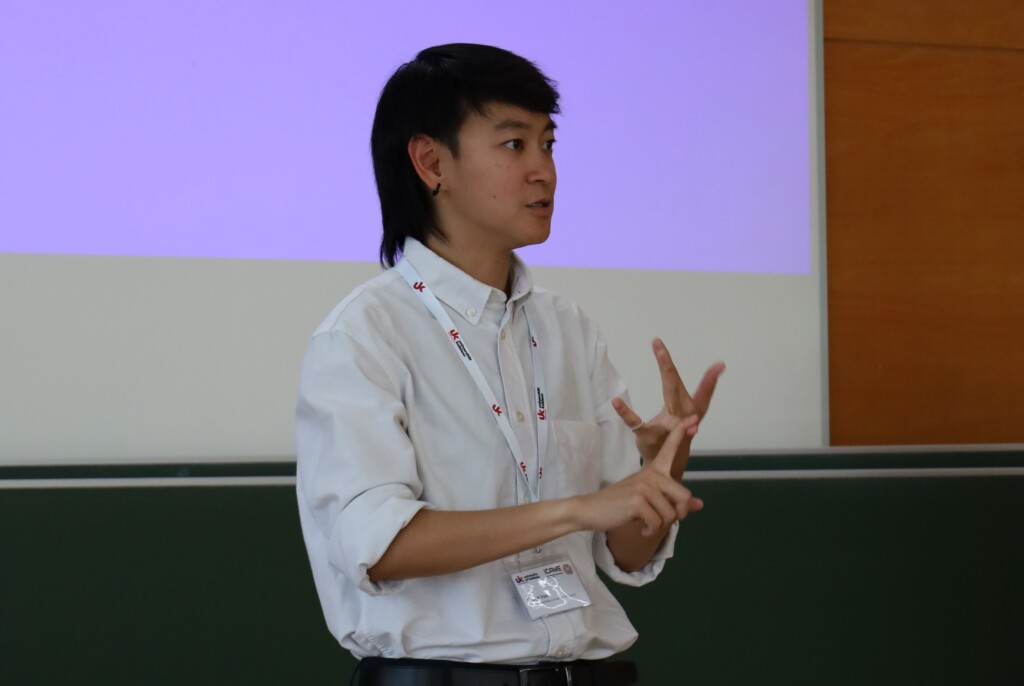
Both bursaries, named after pioneers of corpus linguistics, carry a cash prize. Warmest congratulations to both winners — richly deserved.
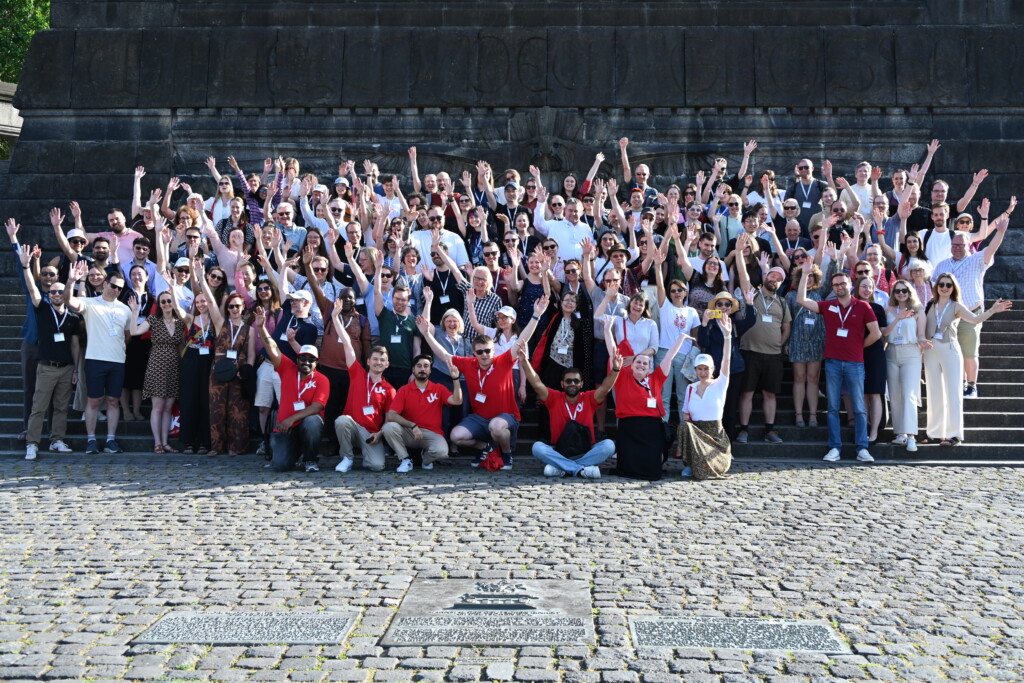
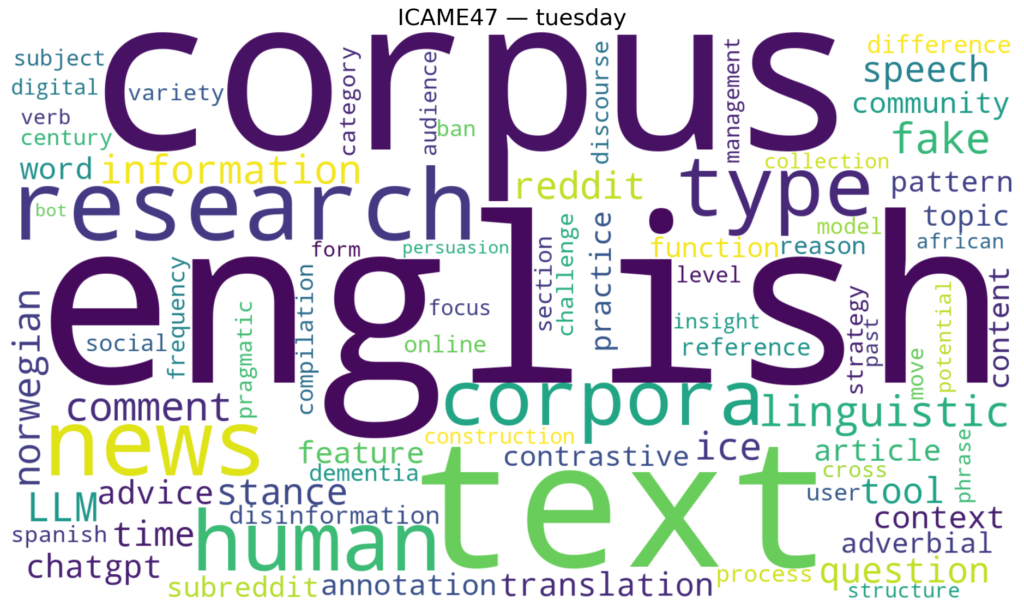
The final day at ICAME47 brought things full circle. Saturday morning kicked off with four parallel sessions spanning work in progress and full papers – from recent changes of taboo words like ‘bloody hell’ to the pressing question of whether language creativity will diminish in the age of AI-generated news content.

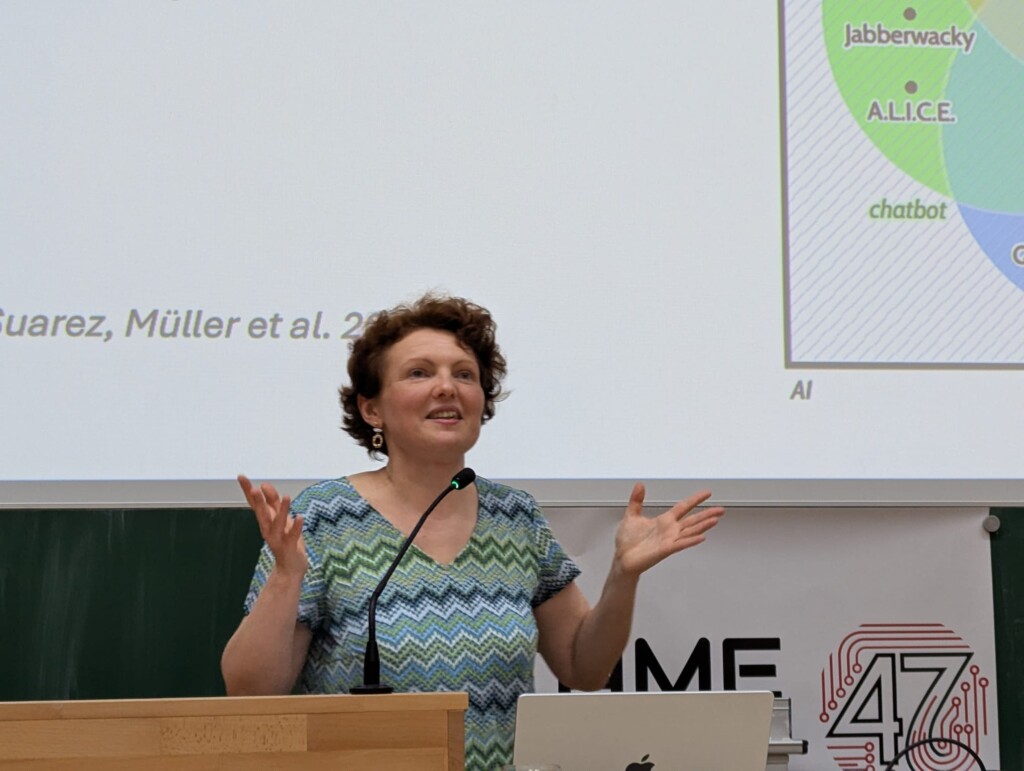
Questions like these set the perfect stage for our final plenary. Natalia Levshina took us on a collective reflection: what actually is AI? Should we use it for corpus annotation, and if so, at what cost? Her take? It’s LLMs we’re working with, not AI – and while they can be a powerful ally in corpus annotation, they always come at a cost. She closed with a set of best practices to help navigate that tradeoff. The audience was quick to extend the conversation, showing that this is a debate far from over.

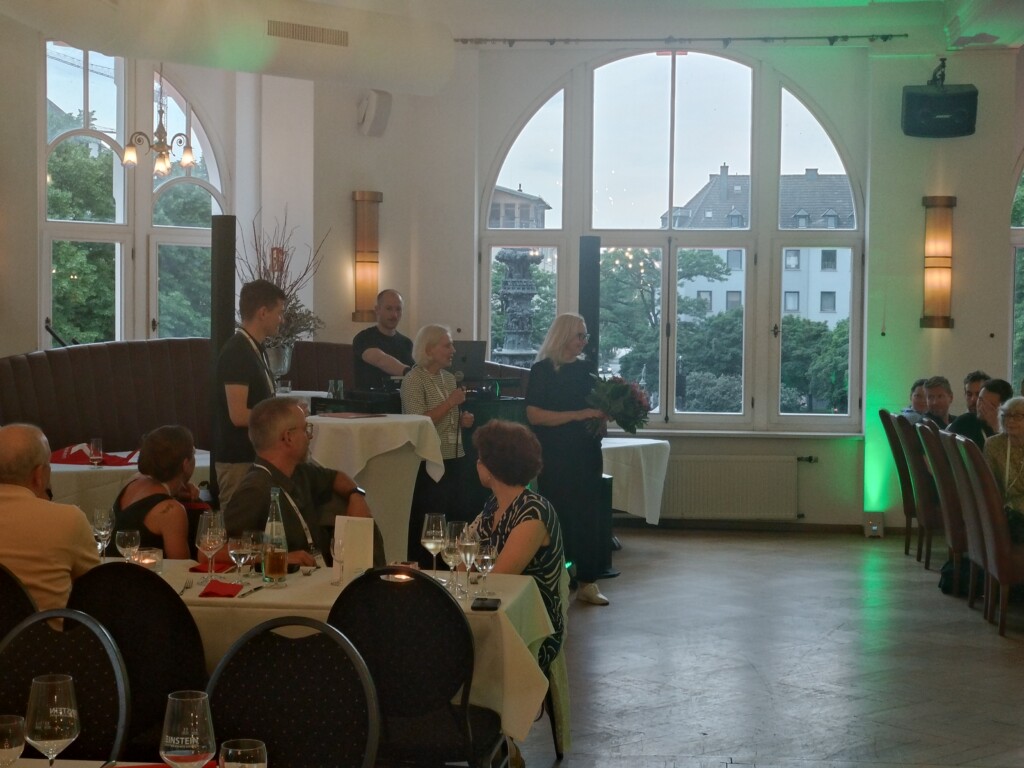
We finally wrapped up with the Annual General Meeting and closing ceremony, welcoming three new members to the ICAME board and re-electing Patricia Ronan as Chair. 🎉 Congrats!

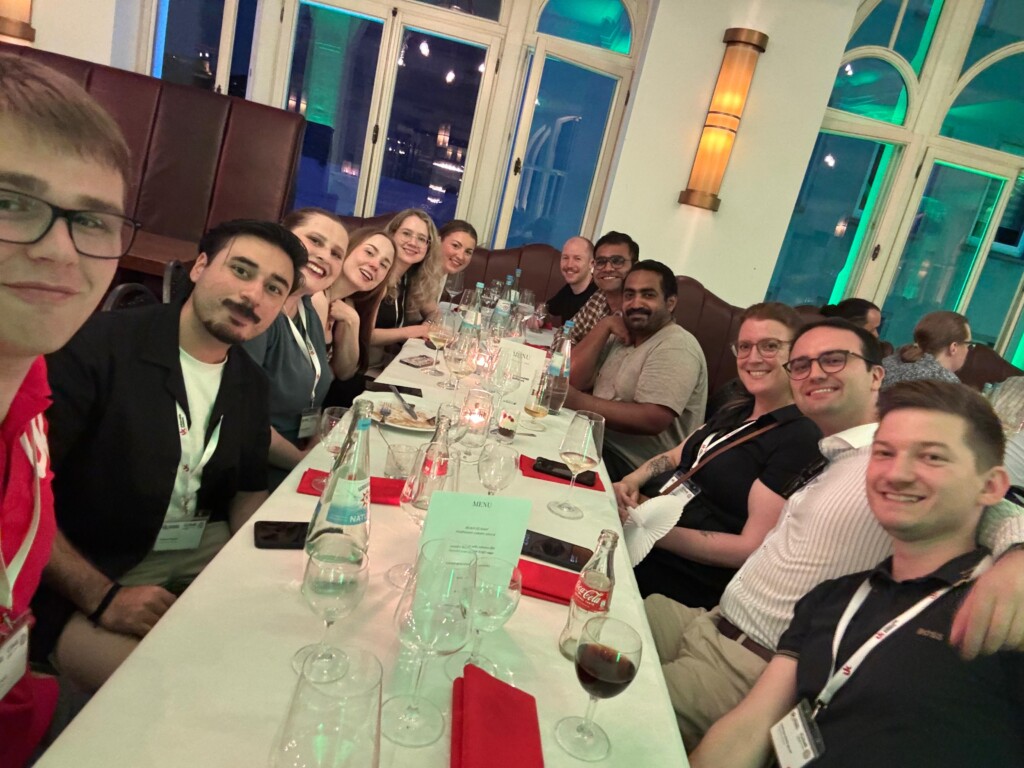
And then it was just us – the team. Grateful for everything learned, everyone met, and every moment that made ICAME47 what it was. 💙 Thanks to everyone who made this happen and joined the flow!

We wrapped up our plenary sessions with an impactful final talk by Dr. Natalia Levshina (Radboud University, The Netherlands.) titled “Linguistic Annotation of Corpora in the age of AI.”

​Dr. Levshina explored the evolution of AI terminology before diving into the critical, often hidden costs of modern models—including data privacy risks, financial burdens, and high carbon emissions. To counter these challenges, she proposed a set of best practices for researchers. Notably, she advocated for utilizing local, smaller, and open-source Large Language Models (LLMs) for linguistic tasks, offering a more sustainable, energy-conscious alternative to massive commercial infrastructure.

​Thank you to Dr. Levshina for closing our plenary series with such a vital call for responsible, mindful innovation!

After another delicious lunch by the Studierendenwerk 🍽️, the afternoon kept things flowing with four parallel sessions — 16 talks in total, from fully finished projects to work in progress.

The academic programme wrapped at 5, giving everyone time to recharge in the city centre — before we met again at 8 at the Adaccio. Good food, better company, and some seriously good moves on the dancefloor .

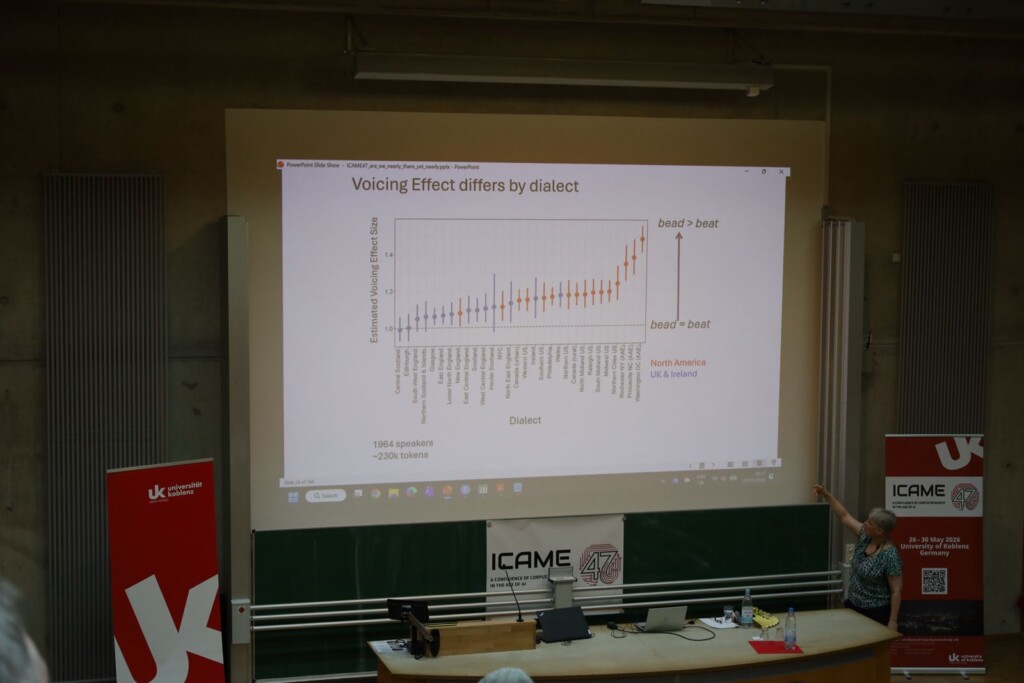
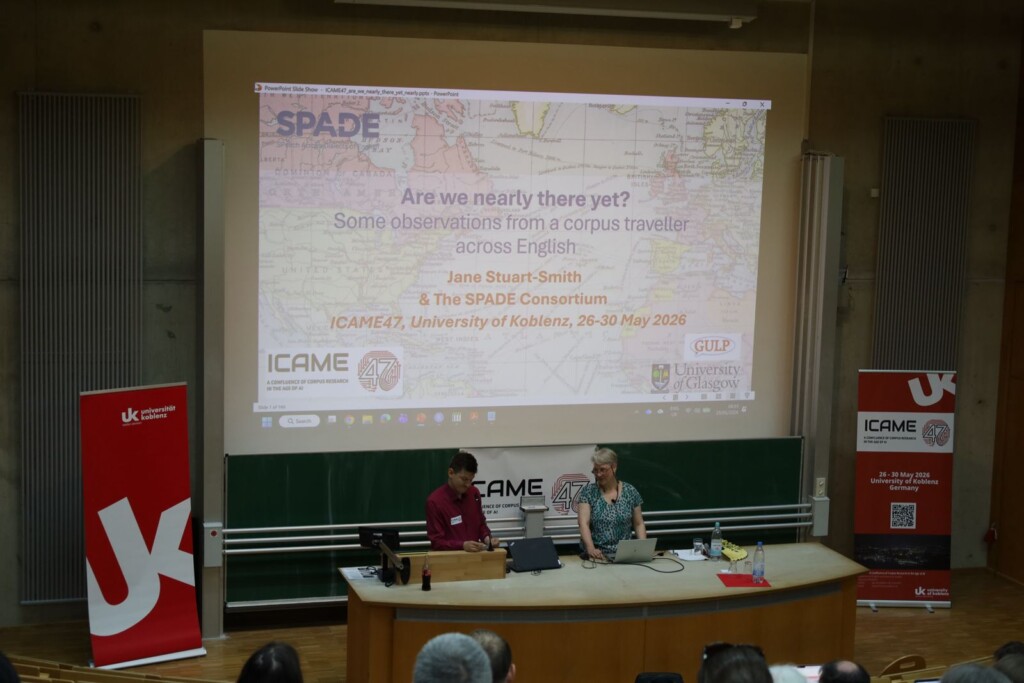
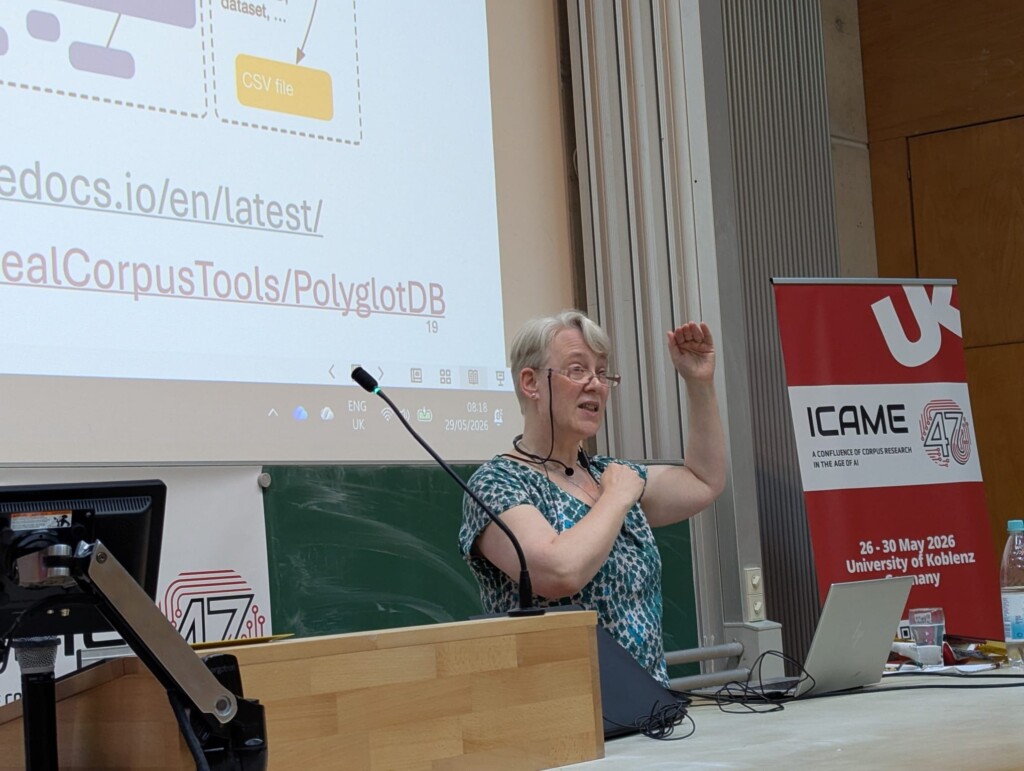
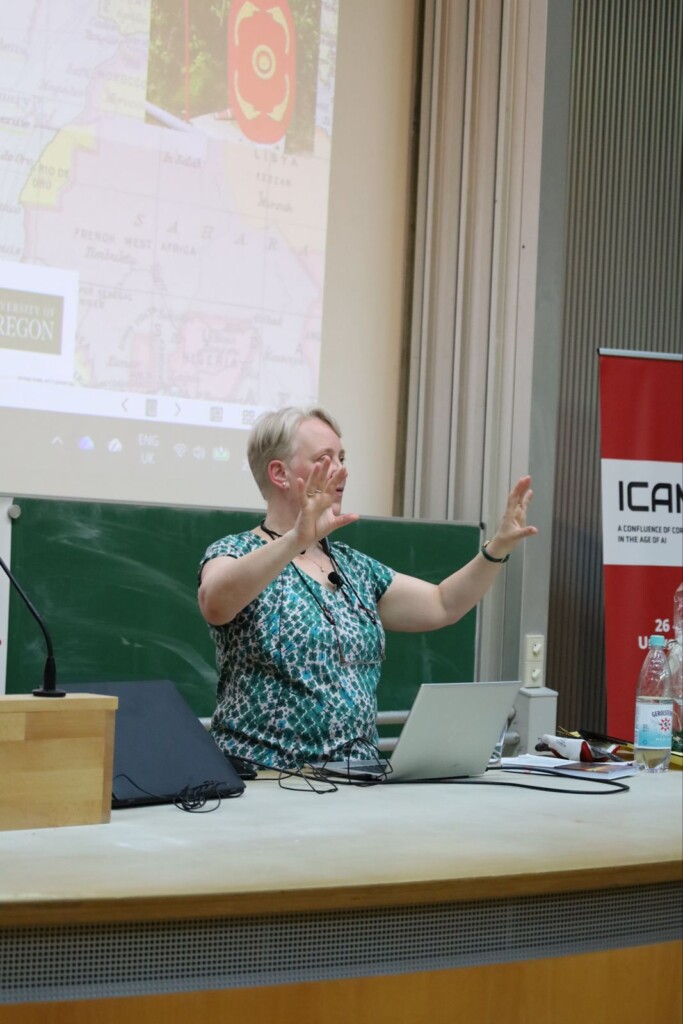
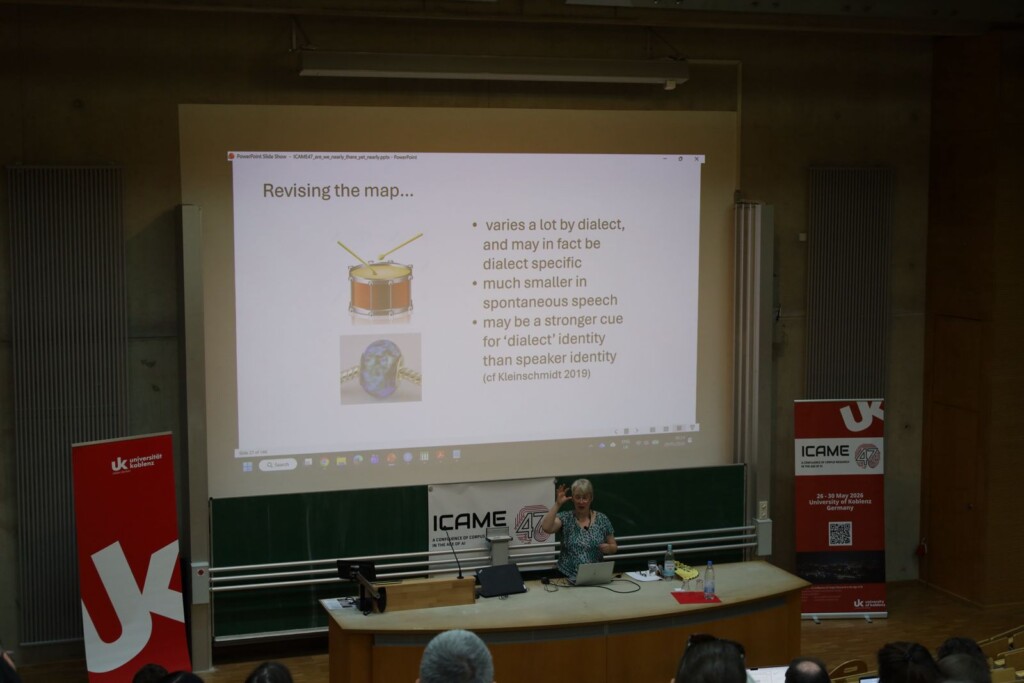
Our third plenary was nothing short of a journey – and Jane Stuart-Smith made that quite literal. She opened with a deceptively simple question: does our research actually represent the terrain we are moving on?

From there, she took us on the road. Her project on Scottish English draws on data flowing from partners across the US and UK, with a team that drives the research — sometimes in a camper van, sometimes in a Land Rover, whatever the terrain demands. 🚐 And the terrain? Think Isle of Skye. Think Old Man of Storr. Rugged, breathtaking, and absolutely worth navigating carefully.

That metaphor carried her core message: the maps we use in research must truly represent the landscape we are exploring. In Stuart-Smith’s case, that landscape is the sociophonology of Scottish English — how vowel duration, r-realisation, and other features shift and evolve across region, class, age, and gender.

The morning then opened up into four parallel panels covering a wonderful range of topics — from metaphor to corpus software. The confluentes of ideas just keep flowing! 🌊


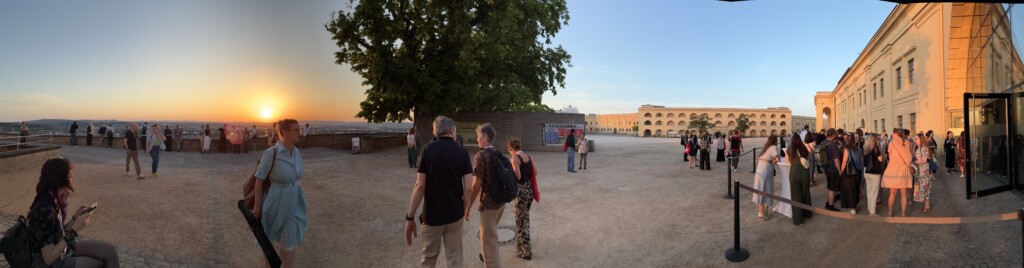
As the sun sets over Koblenz, this beautiful panorama from Ehrenbreitstein Castle captures a perfect moment shared among fellow researchers. Taken during the conference warming event on Day 02

Photo credit:
Christoph Draxler
Institut für Phonetik und Sprachverarbeitung
LMU München
Schellingstr. 3
80799 München
Tel. +49 89 2180 2807
Fax +49 89 2180 5790

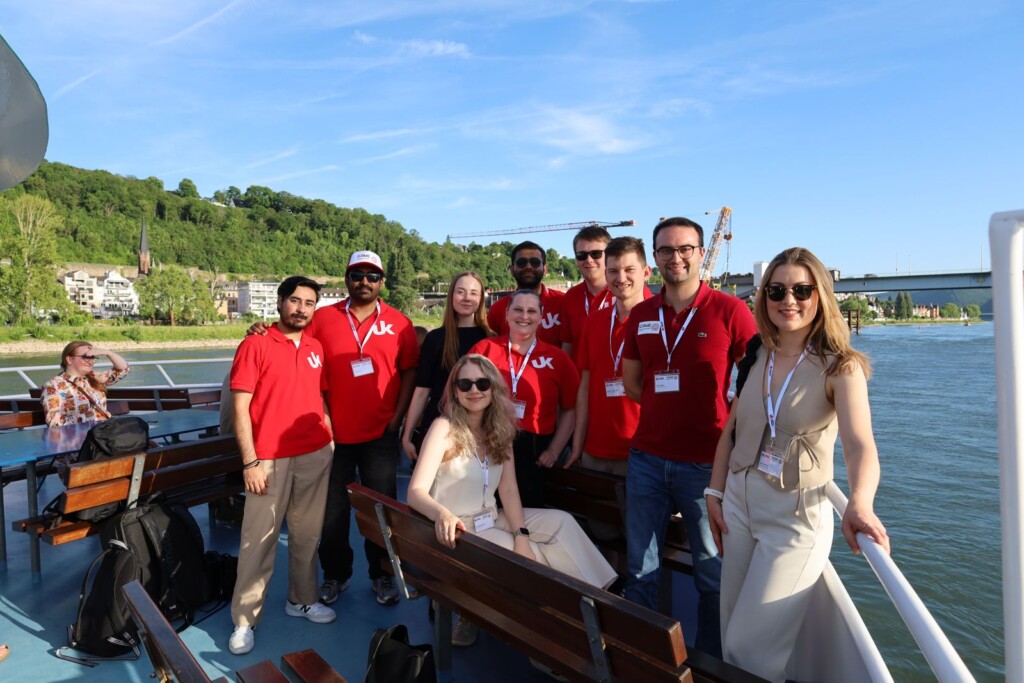
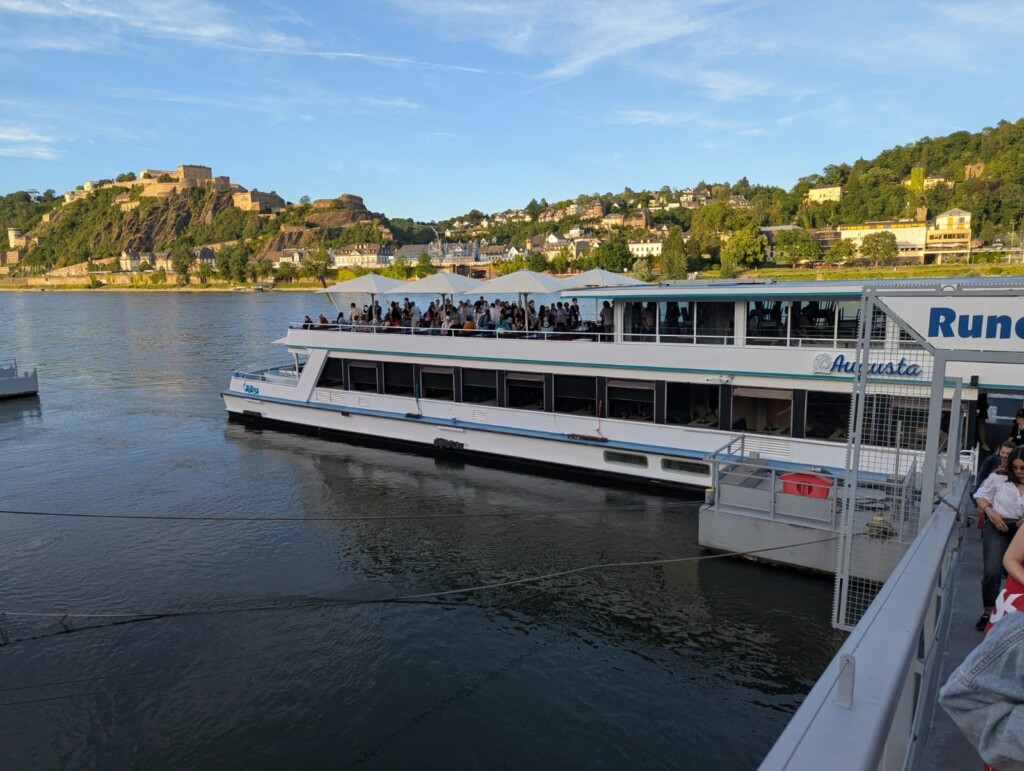
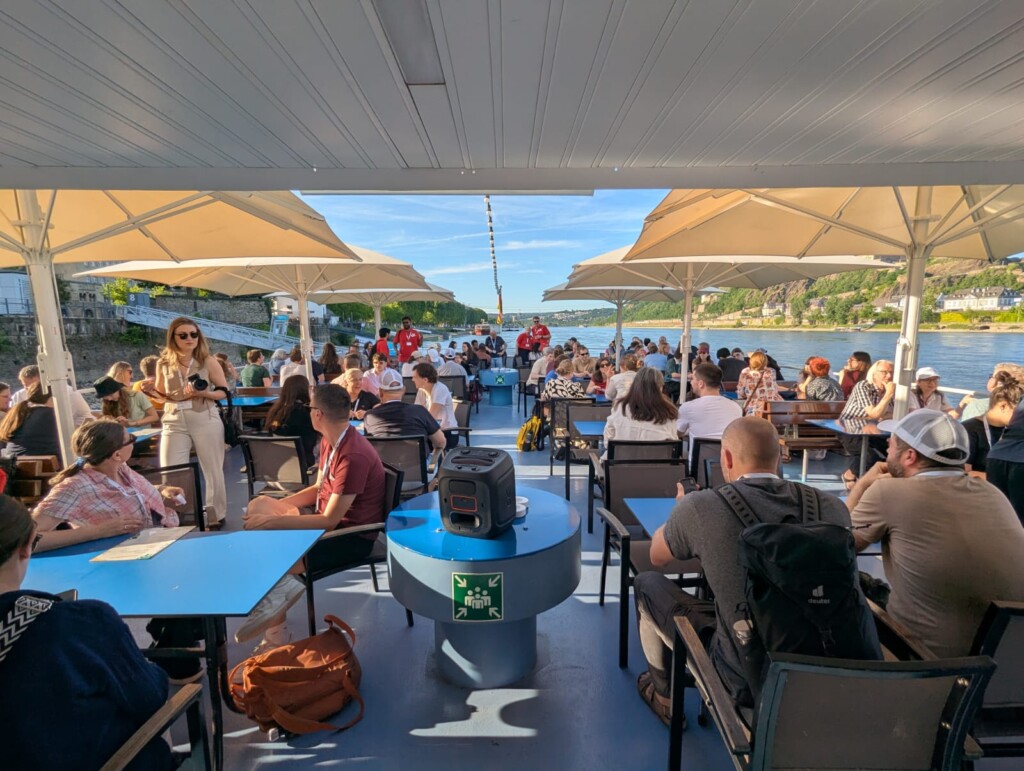
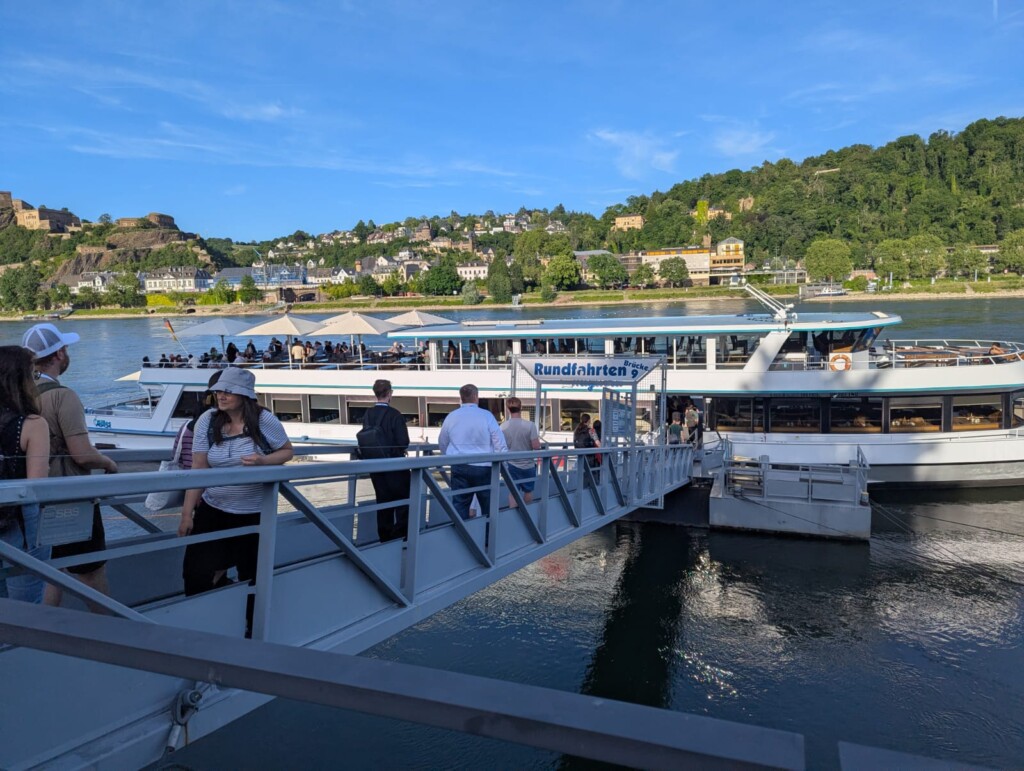
After a packed day of many insightful presentations, we swapped the lecture hall for the Rhine. The boat trip is a beloved ICAME tradition — and one that never disappoints. We cruised down to Stolzenfels, turned, and made our way back, passing the Deutsches Eck one final time, where the Rhine and Moselle meet in true, flowing confluentes spirit. Glorious weather, good drinks, and even better conversations. The perfect end to a perfect day. 🌊✨

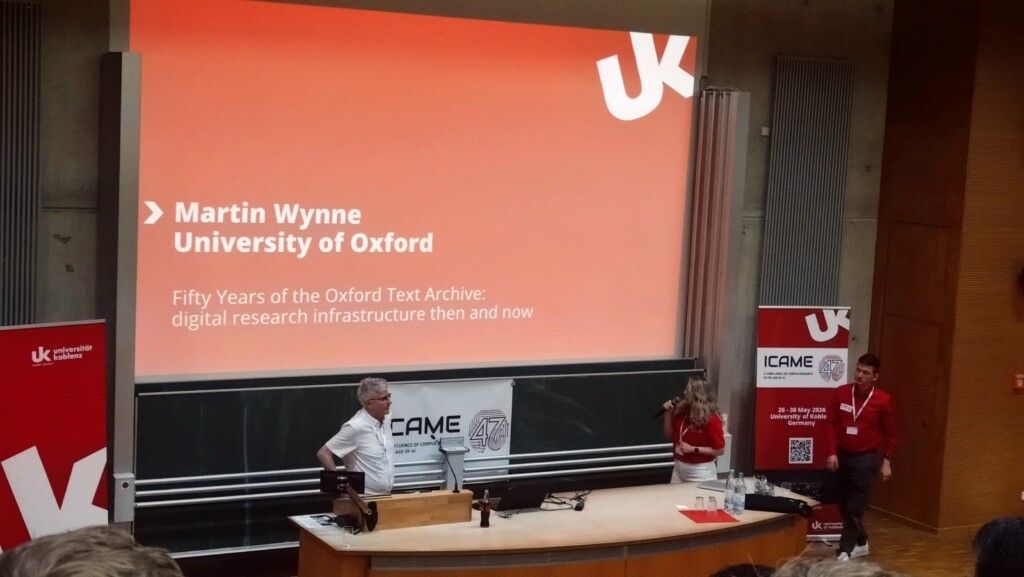
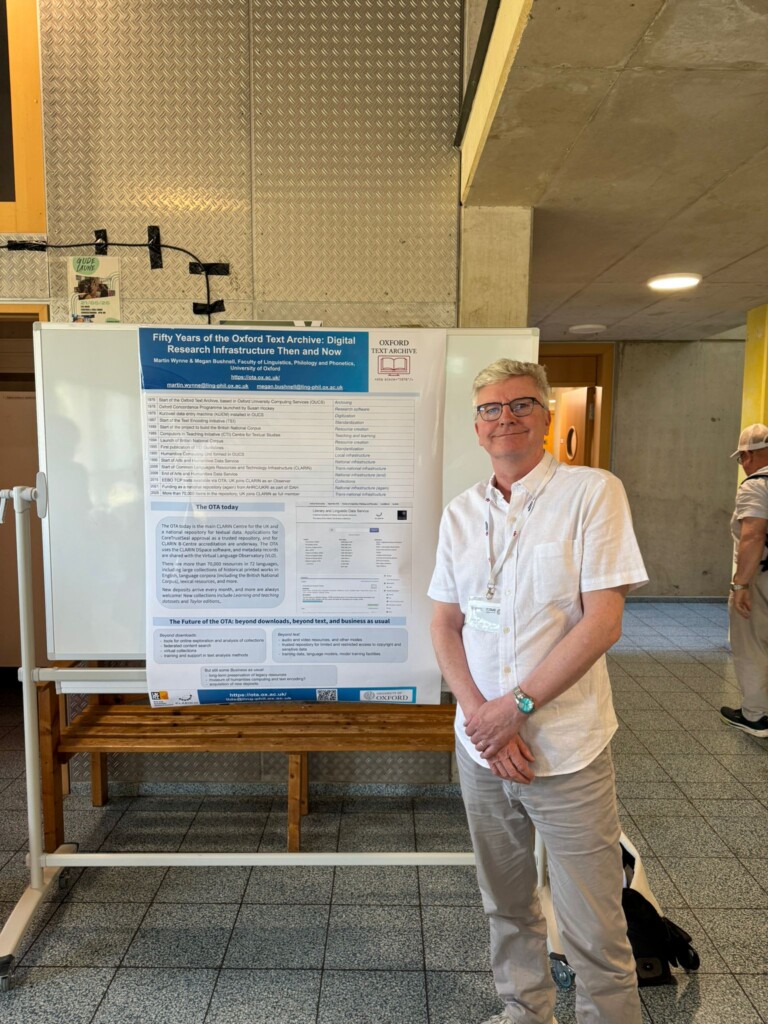
Among the many highlights of ICAME47 has been the presence of researchers from the University of Oxford, bringing with them the distinctive perspective of one of the world’s most storied institutions. Martin Wynne (Oxford Text Archive) contributed both a workshop and a poster, marking a particularly special moment: the Oxford Text Archive celebrates its own 50th anniversary in 2026. His talks traced fifty years of curating digital language resources — from the early days of the Oxford Concordance Programme and the launch of the Text Encoding Initiative, through the construction of the British National Corpus, to today’s repository of more than 70,000 items — while looking ahead to the opportunities and challenges that AI brings for trusted, authentic language data.
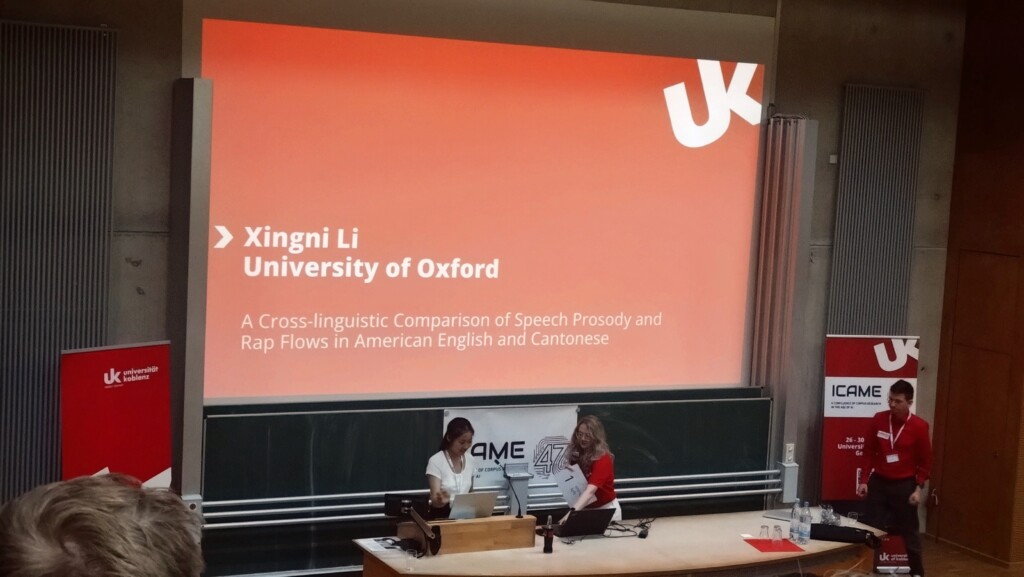
Equally fascinating was Xingni Li‘s poster on speech prosody and rap flows in American English and Cantonese — a cross-linguistic study examining how the rhythmic and tonal features of two very different languages shape their respective rap traditions, and how Cantonese rap appears to be drifting toward the conventions of American English rap. A refreshingly novel topic for a corpus linguistics conference, and a reminder of just how far the field’s methods can travel.
It has been wonderful to have Oxford represented so richly at ICAME47, and we thank Martin and Xingni for their thoughtful contributions.

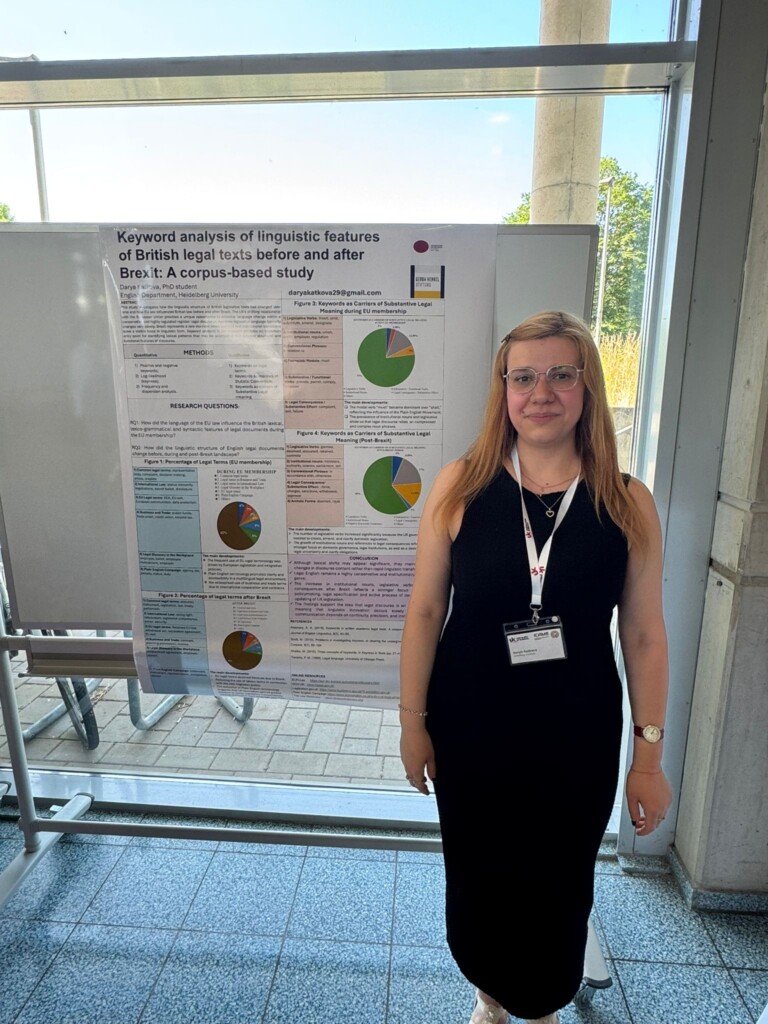
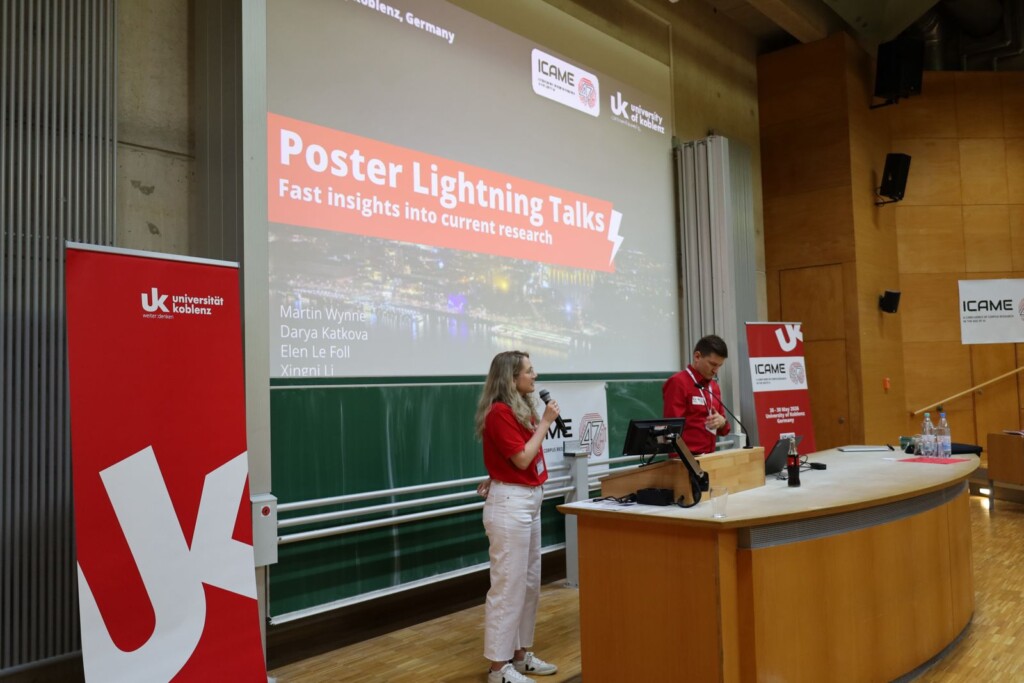
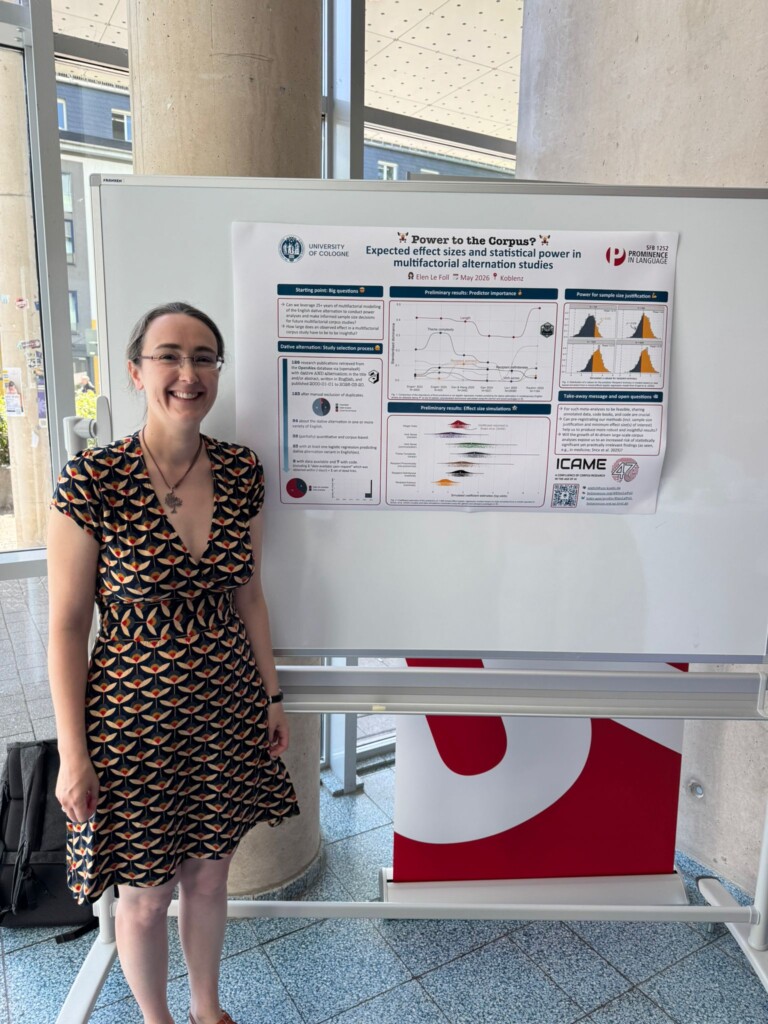
A novel and energising format was featured on the programme today: the Poster Lightning Talks. Presenters introduced their digital posters in a brisk five-minute talk. Afterwards the physical posters were displayed in the conference venue, drawing participants into rich, extended discussions. The session showcased a striking variety of research — from Martin Wynne’s “Fifty Years of the Oxford Text Archive: Digital Research Infrastructure Then and Now,” to Darya Katkova’s “Keyword analysis of British legal texts before and after Brexit”, Elen Le Foll’s work on statistical power in multifactorial alternation studies (“Power to the Corpus”), and Xingni Li’s cross-linguistic comparison of speech prosody and rap flows in American English and Cantonese. A short format with a long tail of conversation — exactly what a good poster session should be.